
Shopping Cart






Portfolio diversification is one of the most fundamental principles in investing — but it is also one of the most frequently misunderstood. True diversification means holding assets whose values do not move in lockstep, so that when one part of a portfolio struggles, another provides stability or even appreciation. Precious metals — gold, silver, and platinum group metals — have historically demonstrated low or negative correlation with traditional financial assets like stocks and bonds during periods of market stress, making them among the most genuinely diversifying assets available to investors. At GoldMiner.fr, integrating precious metals intelligently into a broader portfolio is a cornerstone of our investment philosophy and a key driver of the resilience of our tracked portfolio.
Why Precious Metals Provide Genuine Diversification Benefits
The diversification benefit of precious metals stems from their unique characteristics as assets. Unlike equities, whose value ultimately depends on corporate earnings and economic growth, or bonds, whose value is tied to interest rate expectations and creditworthiness, gold and silver derive their value from entirely different forces: monetary credibility, inflation expectations, currency dynamics, and safe-haven demand during geopolitical instability. This means that in the moments when traditional portfolios suffer most — financial crises, banking panics, rapid inflation, geopolitical shocks — precious metals tend to hold their value or appreciate, providing the portfolio cushion that bonds alone increasingly fail to deliver in a world of financial repression and sovereign debt stress. The gold price today and silver spot price today are not just numbers to track — they are signals of how global markets are pricing financial risk.
What Is the Right Allocation to Gold in a Portfolio
One of the most common questions from investors is how much of their portfolio should be allocated to gold and precious metals. Academic research and historical portfolio analysis suggest that a 5–15% allocation to gold meaningfully reduces portfolio volatility and improves risk-adjusted returns over long time horizons, without significantly impairing upside participation in equity bull markets. Some investors — particularly those with strong convictions about inflation risk, currency debasement, or financial instability — allocate significantly more. The right answer depends on individual circumstances: investment timeline, existing asset exposures, income needs, currency of expense, and personal risk tolerance. What is clear from the historical data is that most investors in Western financial markets are systematically under-allocated to gold relative to the diversification benefit it provides, particularly given the current macroeconomic environment.
Balancing Gold, Silver, and Mining Stocks in a Precious Metals Allocation
Precious metals exposure within a portfolio can take several forms, each with a different risk and return profile. Physical gold and silver bullion — coins and bars — provide the most direct and uncorrelated exposure, with no counterparty risk and genuine independence from the financial system. Gold ETFs and silver ETFs offer similar price exposure with greater liquidity and no storage responsibility, though they introduce counterparty risk and lack the crisis-independence of physical metal. Gold and silver mining stocks provide leveraged exposure to metal prices, with higher expected returns in bull markets but also higher volatility and correlation with the broader stock market. A sophisticated precious metals allocation typically combines all three in proportions calibrated to the investor's specific goals — using physical metals for wealth protection and mining stocks for growth and return enhancement.
Precious Metals as a Crisis Hedge: Historical Evidence From Market Crashes
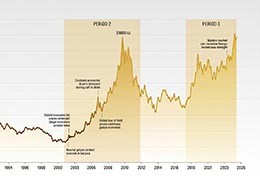
The crisis-hedging properties of precious metals are perhaps best illustrated by looking at their behaviour during the major market dislocations of recent decades. During the 2008 global financial crisis, while global equities fell 40–50%, gold held its value and then surged to new highs in the subsequent years. During the COVID-19 market crash of March 2020, gold initially fell alongside other assets as liquidity was sought, but recovered within weeks and reached all-time highs above $2,000 per ounce by August 2020. During periods of elevated geopolitical tension, gold has consistently attracted safe-haven capital from institutional investors worldwide. This consistent defensive behaviour — not perfect, but reliable over medium to long time horizons — is what makes precious metals an indispensable component of any seriously constructed wealth protection portfolio.
Building and Managing a Precious Metals Portfolio Over Time
A precious metals portfolio is not a static construct — it requires active management, periodic rebalancing, and ongoing attention to both the macro environment and the specific dynamics of metals markets. As gold and silver prices rise, their weight in a portfolio naturally increases and may need to be trimmed to maintain target allocations. When the gold-to-silver ratio signals extreme divergence between the two metals, tactical reallocation between them can enhance returns. Mining stock positions must be evaluated regularly as company fundamentals, commodity prices, and market cycles evolve. At GoldMiner.fr, the transparency of our portfolio management approach — sharing not just our recommendations but the reasoning behind every allocation decision — reflects our fundamental belief that educated investors make better decisions and build more resilient wealth over time. Multi-currency diversification across USD, EUR, CHF, GBP, HKD, CAD, and AUD further strengthens this framework for internationally minded investors.